Sunday, July 22, 2018

Python Turtles and Trees


Recently I have been studying the phenomenon of self-similarity in naturally occurring networks. Self-Similarity has implications for biology, geography, and many other sciences. However the concepts that underpin them are relatively simple. In this post I will cover how one can explore this interesting topic, and model it inside Python. By the end we will have an algorithm fully capable of letting a turtle construct a tree-like structure

Sunday, July 8, 2018

Building a Network Communication map with Scapy and NetworkX


In my previous posts, I have described using NetworkX to simulate the topography of a network. I have also discussed using Scapy for various packet capture and crafting tasks. In this post I am going to tie these concepts together to generate a network communication map, which is suitable for analysis using SciKit-Learn.

Tuesday, July 3, 2018

Scapy part 3: Analyzing custom packets


In the last two sections I covered how Scapy can be used as a general tool for packet analysis, and also how it can be used to craft custom protocols to meet your own needs. In this third and final installment I will discuss how to use scapy to analyze packets again, this time with an eye towards processing custom protocol layers.

Thursday, June 21, 2018

Simulating Network Infections with Python and NetworkX


One thing I have enjoyed studying most in my research is the spread of malicious data (be it a program or a piece of intentional misinformation) through a network. One practical reason for this fascination is that it plays a key role in both offensive and defensive security. Offensively, understanding the key nodes in a network allow you to figure out a path inside a network. As a defender, you can use it as another tool to help decide where to allocate your all-to-limited resources for maximum effect.

Saturday, April 28, 2018

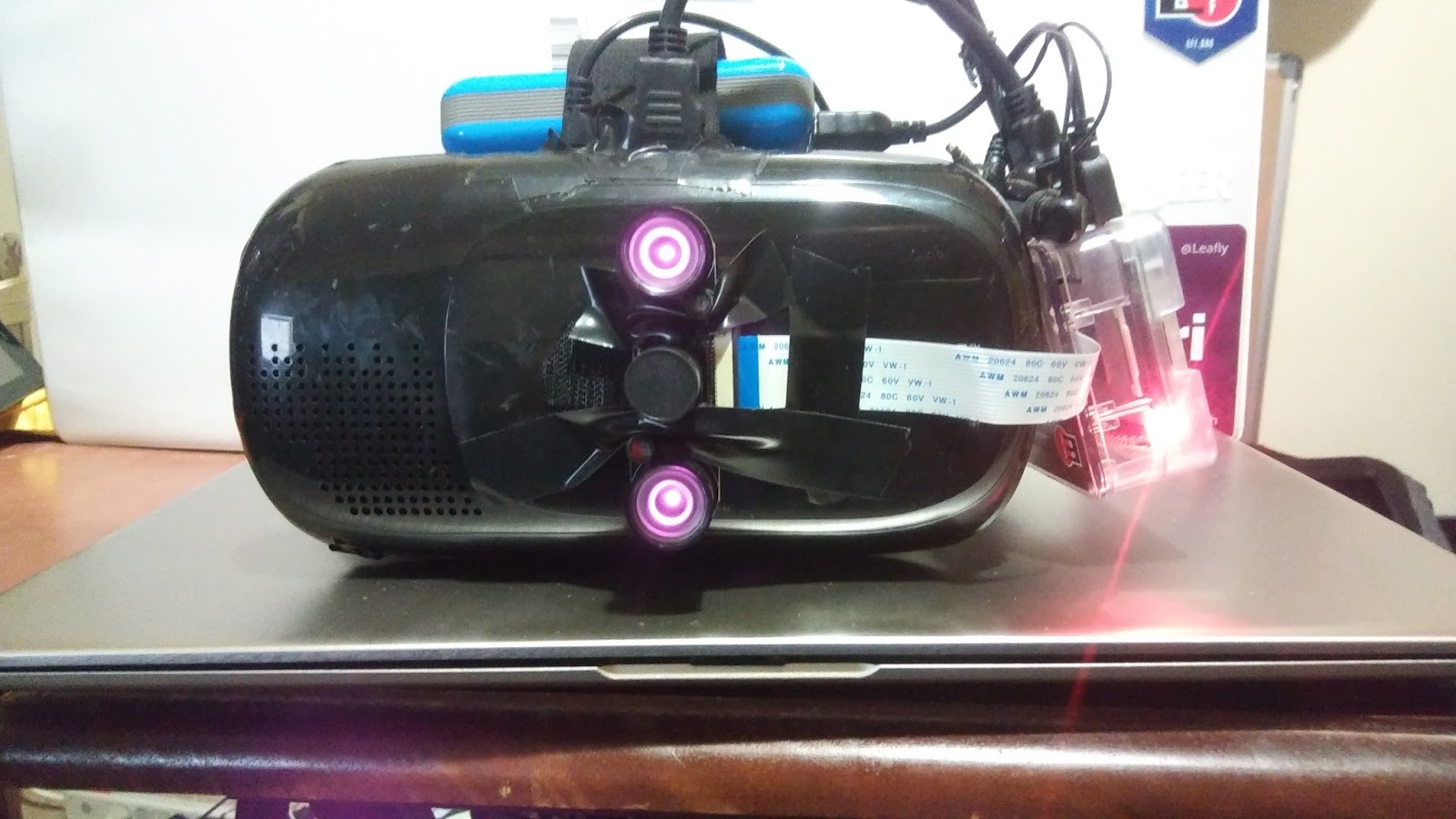
Infrared Light Goggles: Raspberry Pi Project

Infrared Cameras are used in a wide variety of applications from Security to Scientific Study. Unlike traditional cameras, which perceive light similar to the human eye, an Infrared Light camera can 'see' light which is not visible to the human eye. I will use this feature to illuminate a darkened room without disturbing anyone else by building a completely self-contained set of Infrared Light Goggles.

Monday, February 12, 2018

Analyzing Music: Music21 introduction and basics


This week, I have taken a break from Security Research, as I often like to do before I present at a conference, and focused myself on another area I love to explore. Music. I love music. Playing it, listening to it, recording and editing. It is all great fun. Recently though, I have wanted to push beyond my very basic understanding of music, and begin to understand 'why' certain concepts work, when and how they were introduced, etc. To do this I turn my attention back to Music Theory and an analysis framework from MIT called Music21.

Thursday, February 1, 2018

Resources For RFID talk

These links are the main resources consulted during the development of my Presentation "MiFare Lady: Teaching an old RFID new tricks". They will be useful for anyone looking to get into the world of RFID Desig, Analysis and threats. Link topics include Mifare Specific manuals, discussions on Cryptography, Discussions on RFID security, and discussions about Physically Unclonable Functions (PUFs). I am looking forward to presenting this at the BSides Tampa 2018 event on 02/17.